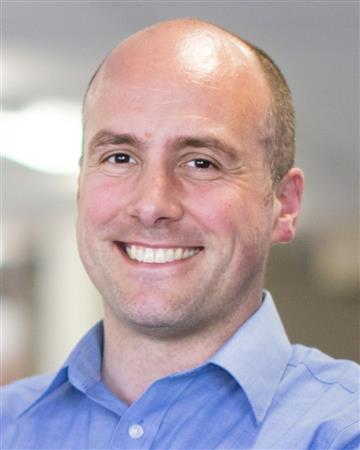
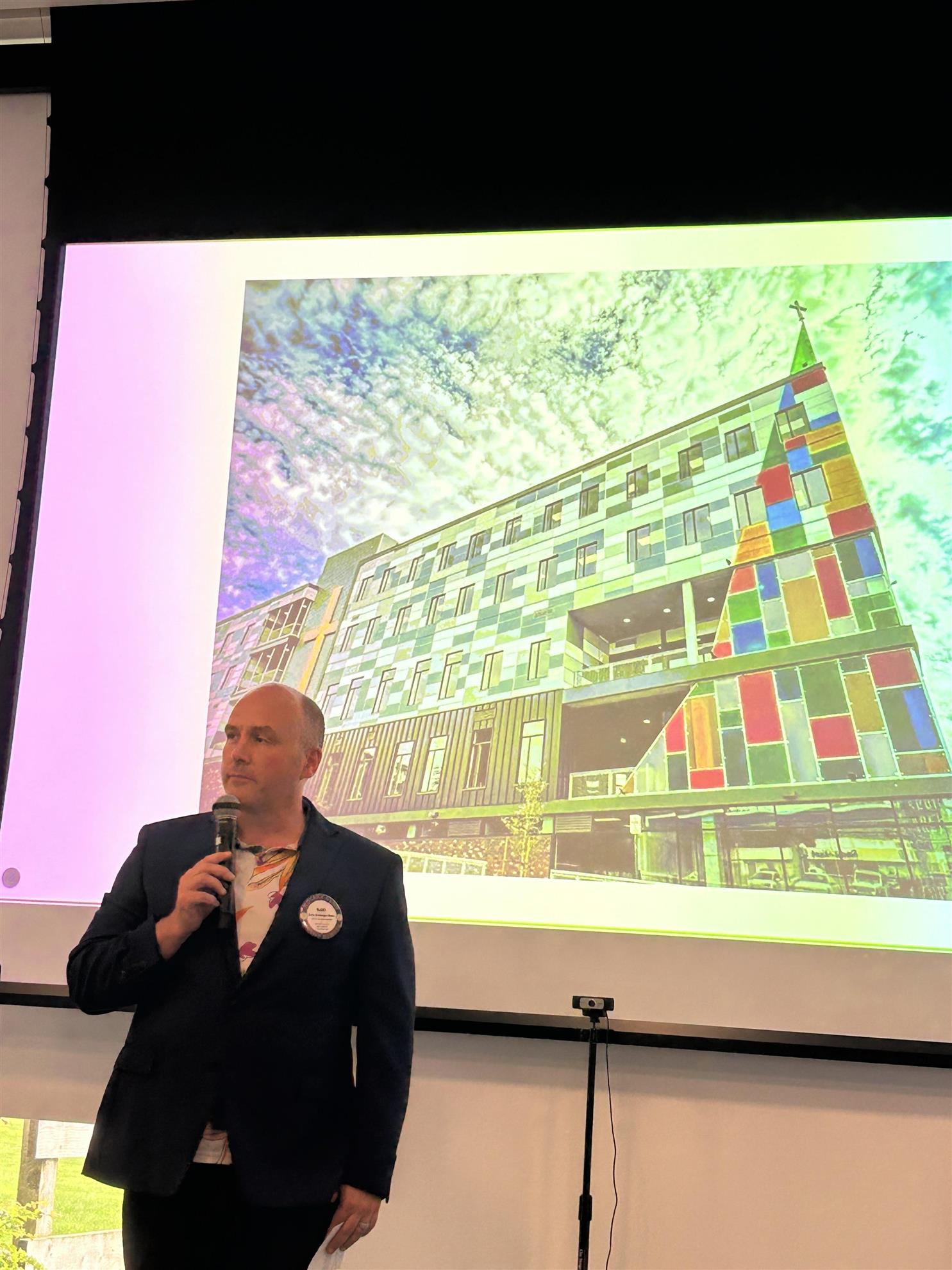
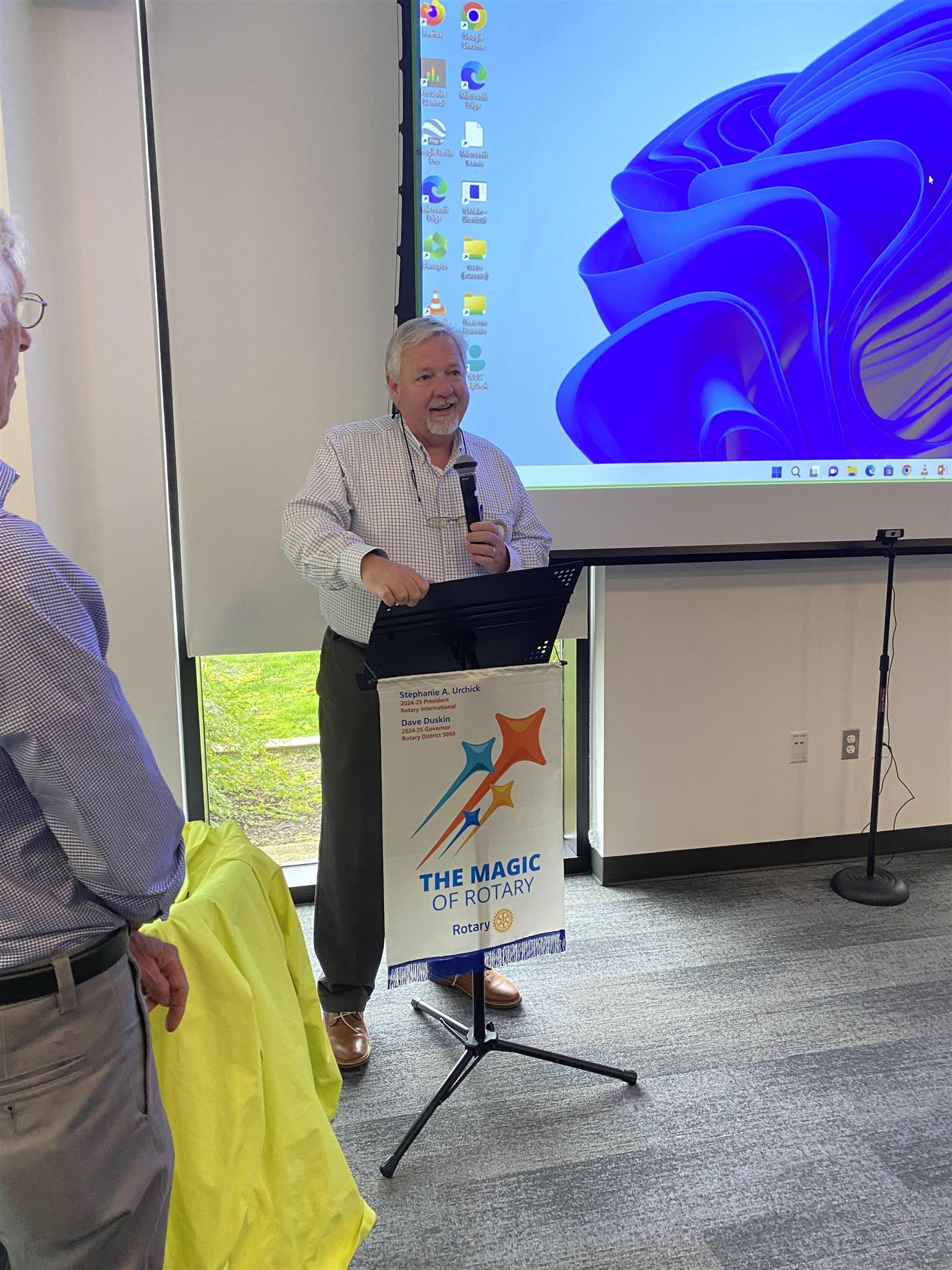
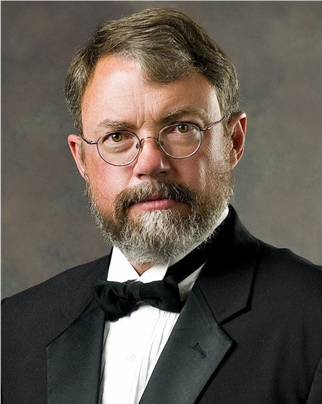
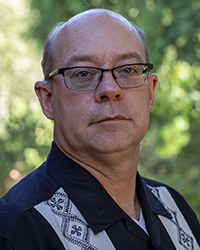
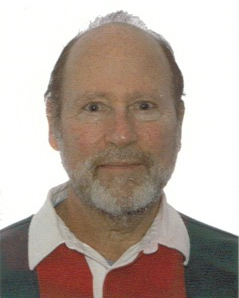
Nate Twining introduced Hans Erchinger-“sandwiches”- who provided Rotary an update on the Mission’s new building project.
The back story in brief:
18 years ago when I first started out as a chaplain, the Mission was only half full. As the years went by we started bursting at the seams with people in need. So we started the DIC as a day shelter for the chronically homeless. The need was such that we went 24hrs a day with it and started using the chapel floor and dining room floor to accommodate more people. The search for another location commenced. We brought the City of Bellingham in. A fight between them and the Port ensued over a Roeder Ave location—it was my first foray into local politics. Meanwhile we had neighbors attempting to change the code to limit our expansion. I discovered it’d be easier to site an airport in downtown Bellingham than a homeless shelter.
Then the pandemic hit. We temporarily moved into Bellingham High school, and started running the Motel 6 as an isolation and quarantine facility. I remember hanging my head out the window as we’d drive all these coughing people to the quarantine. I was washing my clothes and showering per my wife when I got home.
Through a miraculous series of events we got the shelter into the old Safeway building on Cornwall. That’s when we started sitting down with architects for initial design work on an existing site that we controlled. Early estimates at $16-$18M. Conversations commenced with early supporters and the development work began. In the background we knew Basecamp was on a time limit.
Click here for link to see tour of the Light House Mission and Medical Clinic)
Pledges started being made by supporters. An encampment begins on the lawns of City Hall & the Library. It was Bellingham’s own Chaz/Chop (Seattle reference)—I was having to call staff in the night to lock the doors, as the antifa crowd was talking about trying to take over Basecamp. Violence was in the air.
Construction costs kept going up with the pandemic: estimates increased to $21M. Permits, rigorous neighborhood feedback, interviewing construction companies, public hearings, the price grows to $26M. We demo the building Al Archer built—there’s no going back now! The Board of Trustees were wringing their hands on four stories vs five stories. The pledges at that point suggested the more conservative option. Then the Willows restaurant was donated and we settled on five stories. We were far enough along at this point that $29M seemed to be the final price. As some permit issues are ironed out with the elevators, we anticipate guests moving in October 21st. We still have roughly $2M left to be debt free on the facility. If we have to carry a mortgage that will mean a slower timeline in being able to staff the specialty shelters on the fifth floor, as we’re privately funded.
Hans gave a big big thank you to all those at Rotary who are helping build the Medical Clinic—an essential component of holistic recovery for those in homelessness.
(Click here for the 2024-2025 Major Project Pledge Form)
The Q& A centered more on the philosophy of care that the Mission employs:
In my experience, people don’t become homeless when they run out of money. They become homeless when they run out of relationships.
We too often define poverty in materialistic terms. We’re materialistic people. How you define poverty is how you’re going to treat it (lack of income, lack of healthcare, housing, food, wealth--lack of some material thing). Thus, the solutions we see are often material in nature. However, studies show most people in poverty give emotional/psychological responses to their need. They--lack dignity, feel inferior, voicelessness, burned bridges, ashamed, worthless. --what can come from that is a conditioned hopelessness.
For a full orbed homelessness intervention then one must address these less material needs as well.
Also, the Golden rule when helping those in need is “Do not do for others what they have the capacity to do for themselves.” Doing otherwise is one of the underlying reasons we see such an influx in homelessness in our area.
Hans also noted that a Crisis Need demands an Emergency Intervention (e.g. severe weather, suicide attempt, overdose). The goal is to "stop the bleeding." The needs of a crisis are met with quick action to provide shelter or medical services to those in need. Those in Chronic homelessness require a Development Response. (e.g. addiction recovery, career development, anger management)-- activities that strengthen their capacity for achievement.
Address a crisis need with a crisis intervention, and lives are saved. Address a chronic need with a crisis intervention, and people are harmed (e.g., dependency increases, work-ethic erodes, and dignity diminishes).