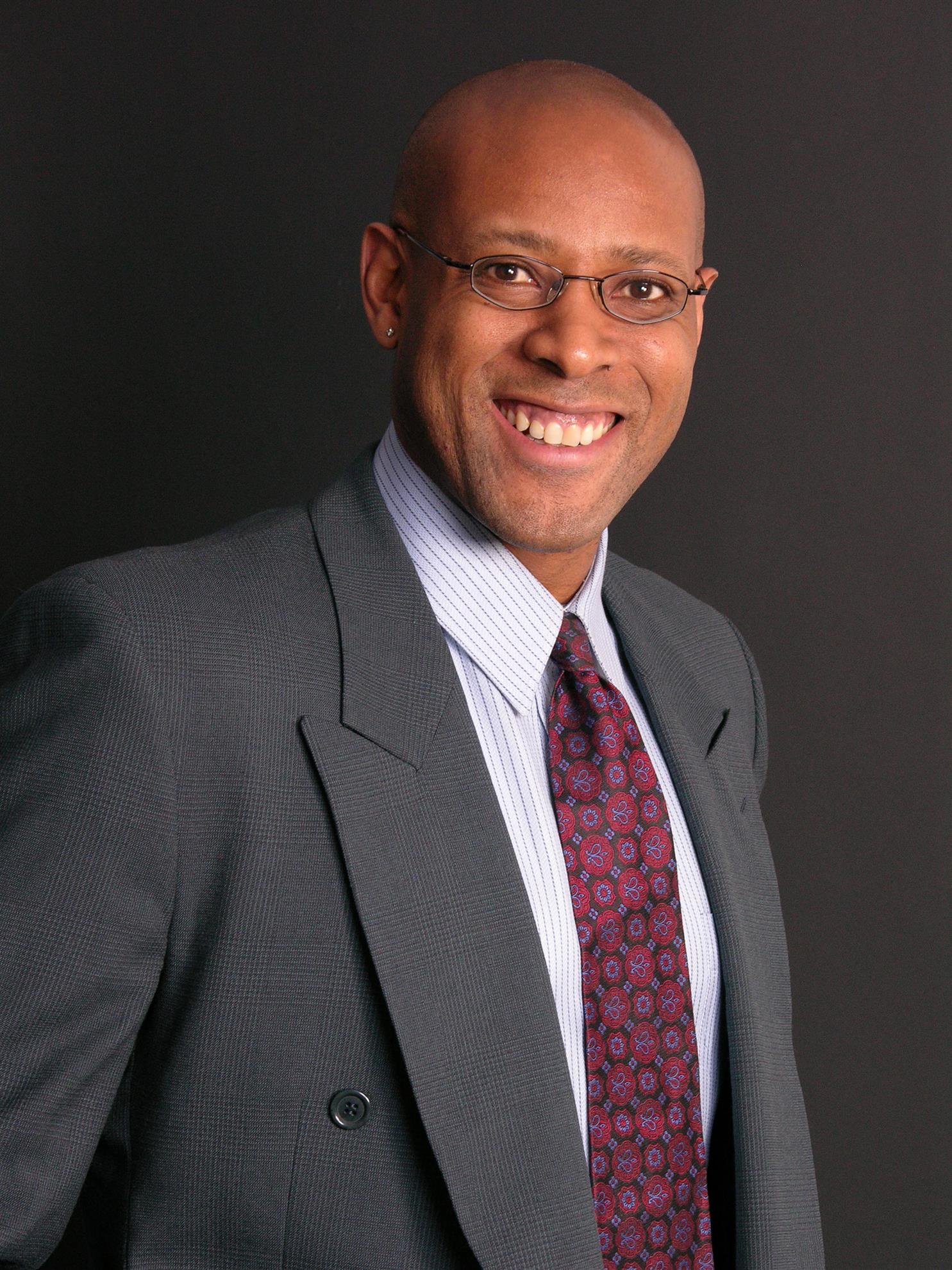
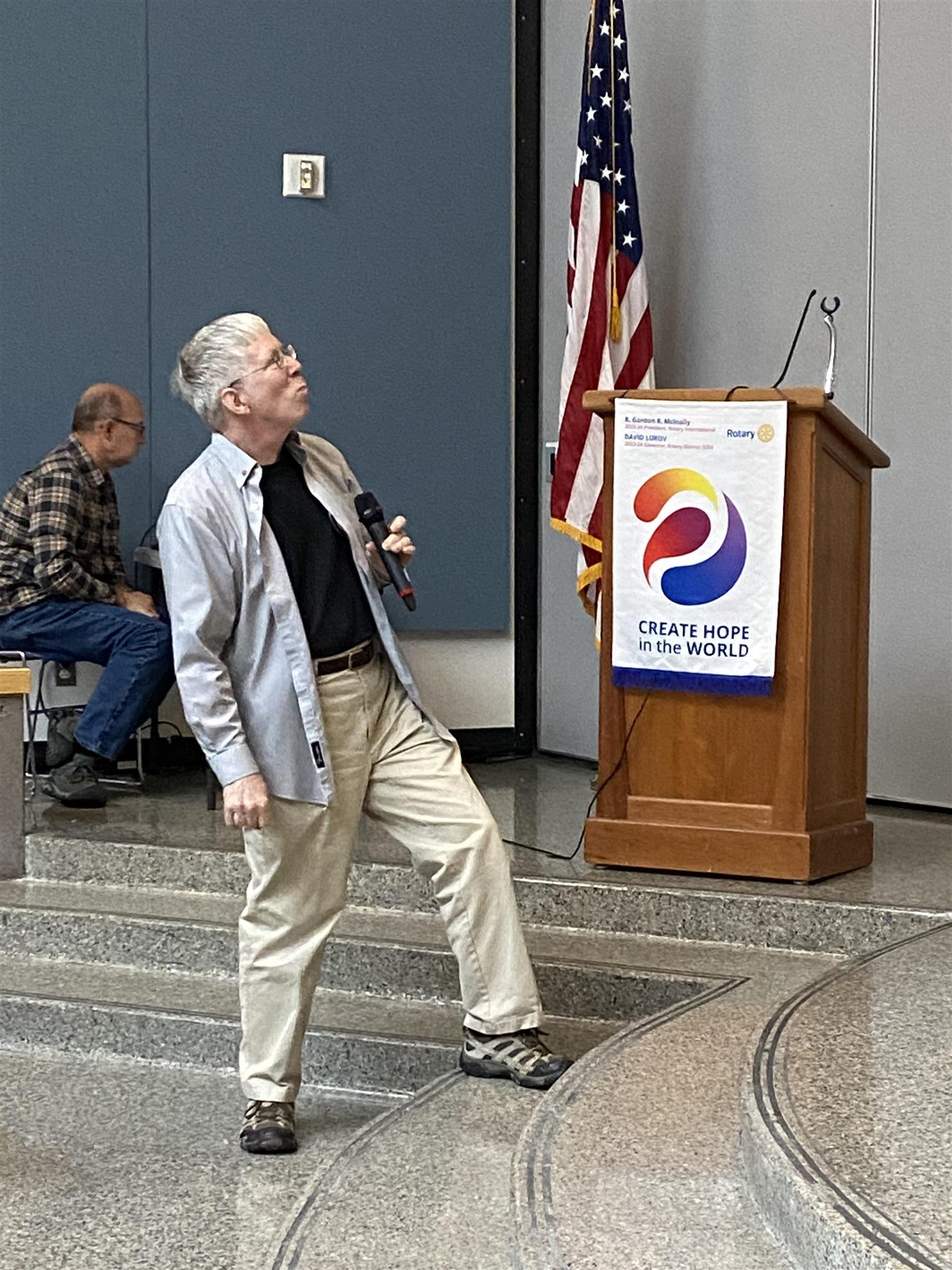
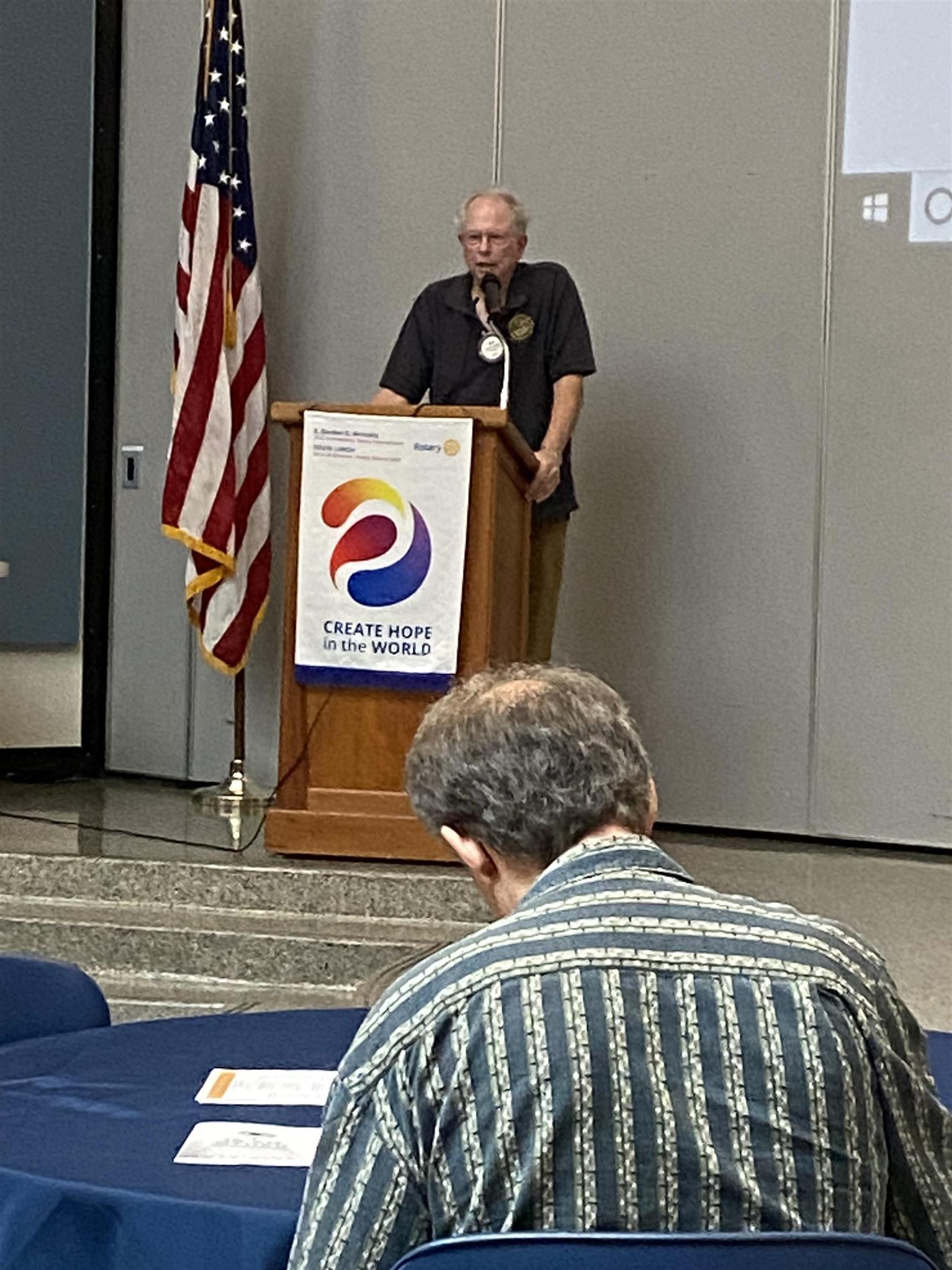
Today’s speaker, Garry Priam, from Diventa Solutions LLC, spoke about “Inclusion in the Workplace.” Garry’s presentation was interactive and involved the audience.
Garry said his background gave him a good understanding of diversity. He was born in England to parents who were from an island in the Caribbean. He moved to Winnipeg and grew up there, later attending the University of Manitoba. He played professional basketball in Italy and lived there for 9 years in six different cities. He learned to speak Italian fluently, which greatly enhanced his ability to connect with the Italians he met. He later returned to Canada, living in the Vancouver area and now lives in Lynden.
Garry asked what “diversity” meant. Responses showed that dimensions in diversity included differences in, among other things, nationality, race, religion, gender, age, health, ethnicity and experiences.
He presented an interesting graphic explaining the differences among the three concepts of equality, equity and inclusion. It involved three boys of different sizes trying to watch a baseball game over the outfield fence. Equality had each boy standing on a box of the same height. The taller boy was high above the fence; the medium height boy could just see over the fence and the shortest boy still could not see over the fence. With equity, the taller boy needed no box to see over the fence; the medium sized boy had the same box as in the first example and the shortest boy stood on an extra tall box that enabled him to see over the fence. With inclusion, each boy stood next to each other with no fence and each could see the game easily.
With inclusion in the workplace, everyone feels they are welcomed, valued, represented, respected, heard and have a voice. Cultural belonging means that everyone appreciates you for what you bring to the group, and that you are appreciated. An organization can be diverse without being inclusive.
He gave the results of some polls on Diversity, Equity, Inclusion and Belonging (DEIB). 43% of human resources departments in companies say a lack of time is a barrier to increasing the effectiveness of DEIB. 44% of employees say there is insufficient prioritization at top leadership levels for DEIB initiatives. 58% of employees are not sure how to make work culture more inclusive. Two out of three employees think inclusion is more important than it was before the pandemic. The lack of DEIB can lead to higher rates of employee turnover and absenteeism.
He pointed out that we all have biases and make assumptions about people just from looking at them without talking to them. He had us break into pairs to talk to someone we knew with the objective of finding out something about them that we did not know. He then had several people share what they just found out with the whole group.
He said that in order to increase inclusion, everyone needs to pull together to right the course so we can all become an essential part of a winning crew.
Thank you, Garry, for a thought-provoking presentation.